Welcome
Message from the Chair
A time of Growth and Opportunity
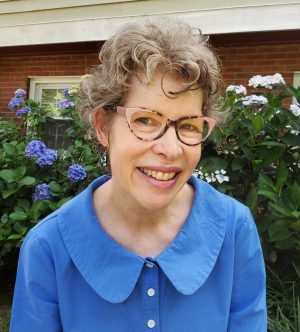
I am thrilled to share some incredibly exciting news with you. The College of Health and Human Services has been approved to transition to an accredited School of Public Health. We will become only the second accredited School of Public Health in North Carolina. The Department of Public Health Sciences has played a key role in advancing this goal and the next few years will be transformative as we navigate a larger presence on campus and in the community.
Importantly for PHS, our Department will be growing. Just as a cell undergoes binary fission to multiply and grow, our department will experience a similar process; PHS will become two distinct academic departments. I firmly believe that this change will enhance our collective impact – elevating our degree programs, our students and our research within the field of public health.
Two Thriving Entities: One department will house our existing Master of Health Administration (MHA)
and BS in Health System Management degrees. Additionally, that unit will offer a new MPH
concentration in Health Policy (stay tuned for more information about that development!). The other
department will house our BS in Public Health, MPH with concentrations in Community Health Practice
and Epidemiology, and our two PhD programs (one in Public Health Sciences and the other in
Epidemiology). Both departments will maintain the high standards and collaborative spirit that define
us. This change is not about separation but about multiplication — creating two strong pillars that will
support our overarching mission of promoting health and well-being in an urbanizing world.
Read more…
In the coming weeks, you can expect more detailed information about the expansion, including
department names, leadership structures, departmental foci, and new initiatives that each department
and the College will undertake. We encourage everyone to embrace this change with an open mind and
an enthusiasm for the possibilities that lie ahead.
Together, we are shaping the future of public health and what’s next at UNC Charlotte.
-Dr. Jan Warren-Findlow “Dr. Jan”
Phone: 704-687-7908 | Email: jwarren1@charlotte.edu |Twitter/X: @DrJanWF
Recent News >>


Deborah Beete Named 2023 Teaching Excellence Award Winner
Deborah Beete Named 2023 Teaching Excellence Award Winner
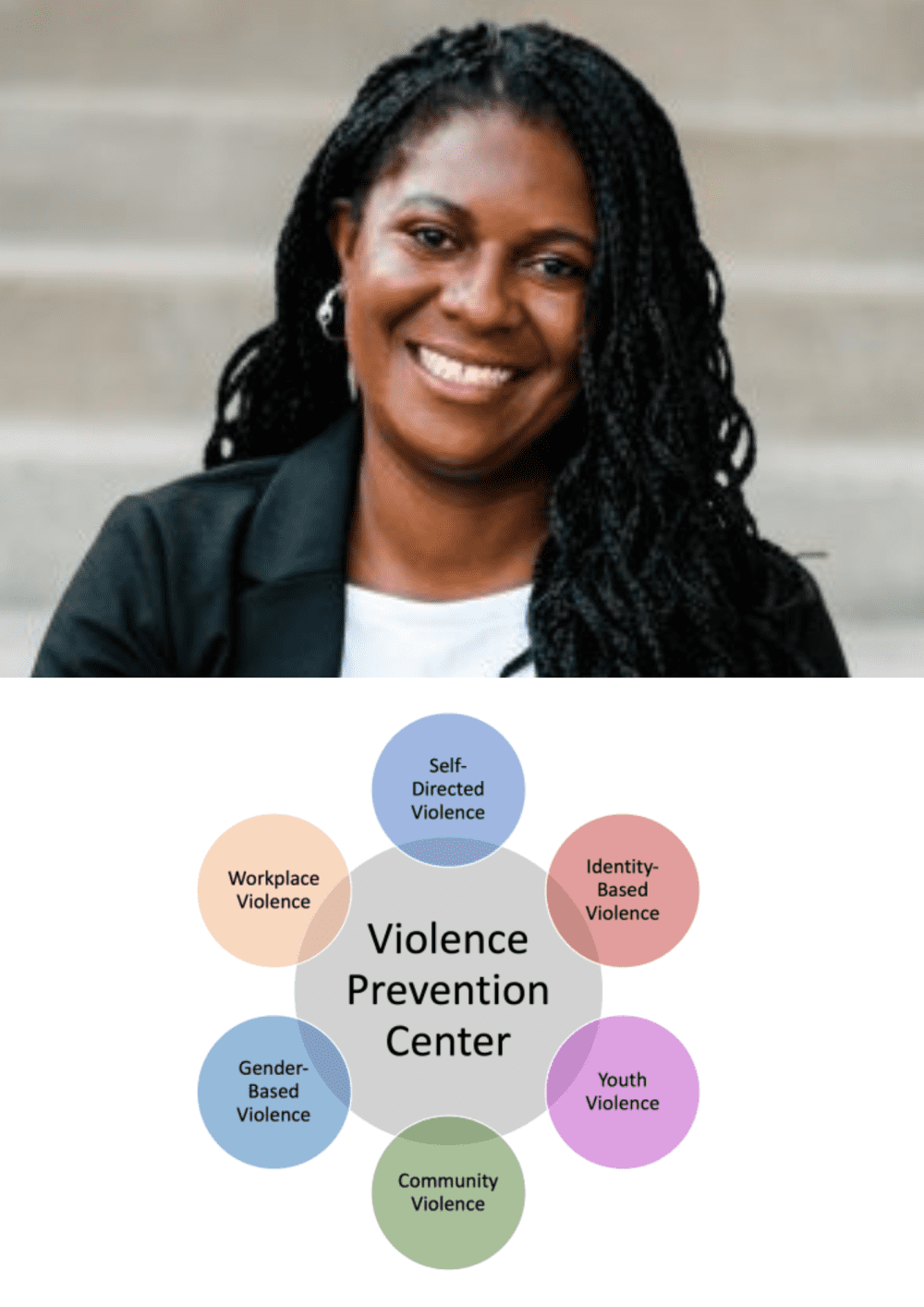
Metrolina Distinguished Scholar Dr. Apryl Alexander to lead newly created Violence Prevention Center
Metrolina Distinguished Scholar Dr. Apryl Alexander To Lead Newly Created Violence Prevention Center
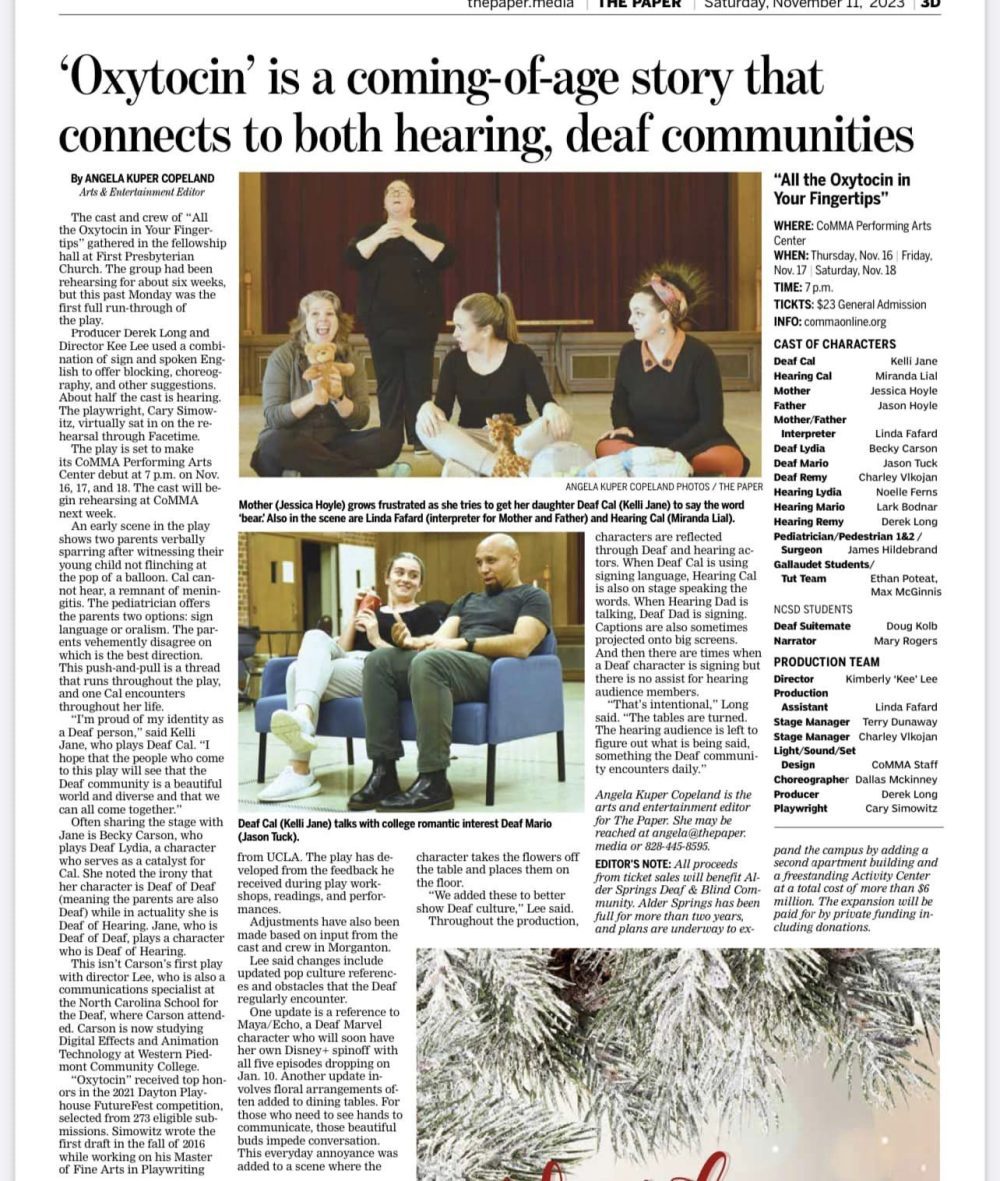
PHS PhD Alumna Jessica Hoyle Featured in play “Oxytocin”, raising awareness for The deaf community
Derek Long LLC in association with NCSD presents “All the Oxytocin in Your Fingertips,” an immersive experience for Deaf and Non-Deaf alike. All proceeds will benefit Alder Springs Deaf & Blind Community.
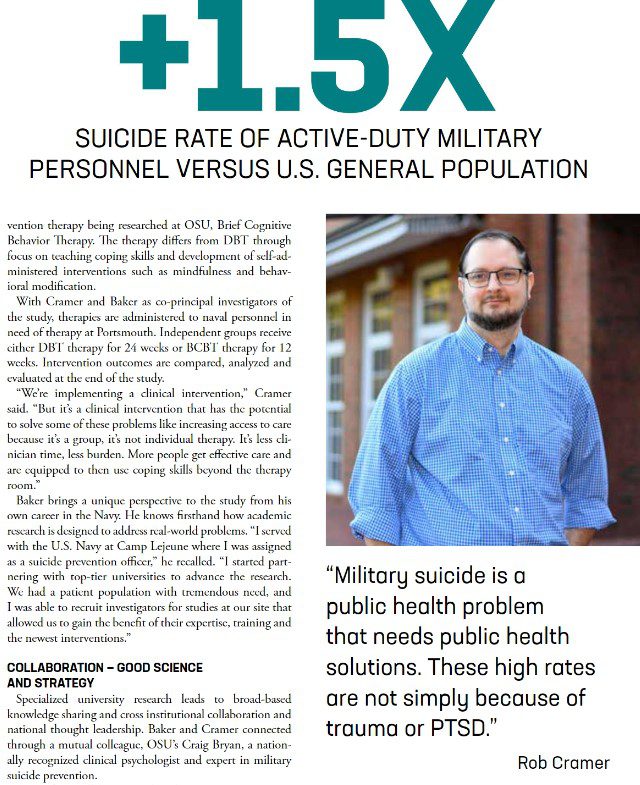
PHS Professor Robert cramer highlighted in university magazine
Dr. Robert Cramer leads a suicide prevention research project for active military personnel. Learn more about his research on pages 32-34 in the UNC Charlotte Fall 2023 Magazine.
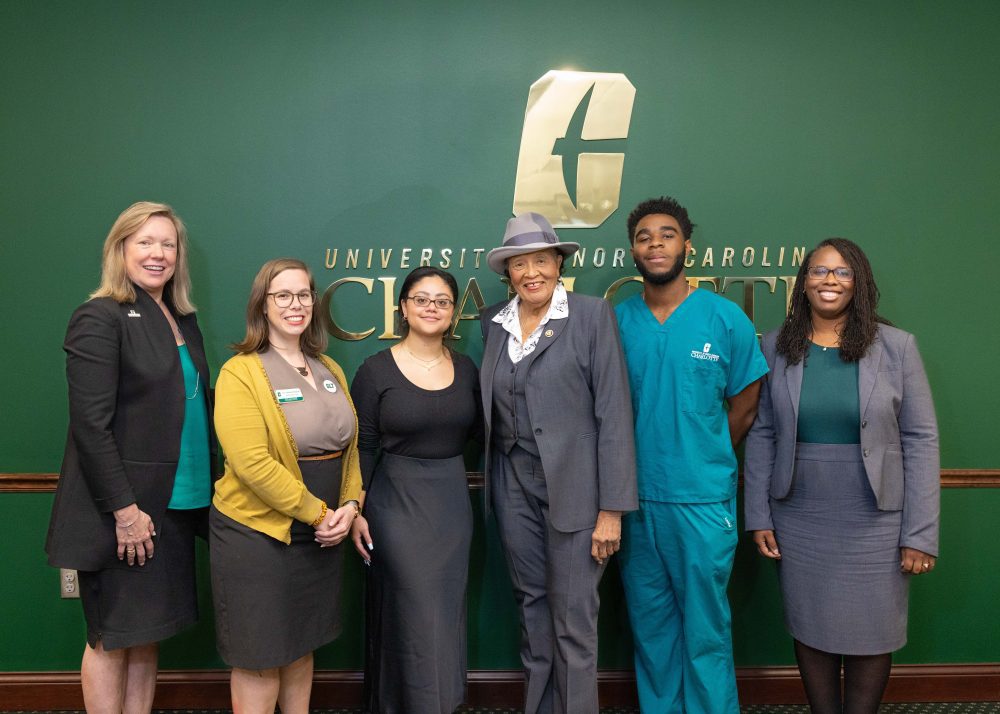
PHS doctoral student Shakia Jerger Butts discusses black maternal health with Congresswoman Alma Adams
Ahead of Black Maternal Health Week (11-17 APR), PHS doctoral student Shanika Jerger Butts joined Chancellor Gabor and several other CHHS colleagues in a conversation with Congresswoman Alma Adams.
Accreditation
Public Health Programs

Master of Health Administration